

Breastfeeding Isn’t Always Easy

Breastfeeding Isn’t Always Easy… And That’s Okay
As a chiropractor, a mum of 3, and someone who has spent many years caring for babies and growing families, I’ve come to appreciate that breastfeeding can be one of the most rewarding and at times one of the most challenging parts of becoming a mum.
We often hear that breastfeeding is “the most natural thing in the world”, and while that may be true, natural doesn’t always mean easy. Every mother and every baby is learning together. There are no instruction manuals, no perfect feeds, and no two journeys that look exactly the same.
One of the things I wish more mums knew is that needing help with breastfeeding is incredibly normal.
Over the years I’ve met so many mothers who arrive in our practice so stressed because breastfeeding “isn’t working”. They tell me they thought it would just click, that the pain was something they had to push through, or that they were somehow failing because their baby preferred one side or became upset every time they tried to feed.
The truth is, breastfeeding is a learnt skill. Just like walking isn’t something babies master overnight, feeding is something both mum and baby should be learning together.
Breast milk is an incredible gift. It provides nutrition perfectly designed for your baby’s stage of development while also delivering antibodies, immune support and is always changing and adapting as your baby grows. Beyond nutrition, breastfeeding offers comfort, regulation, bonding and connection. It’s one of the many beautiful ways babies feel safe and connected to their mums.
Because breastfeeding is so important, it’s also worth remembering that it shouldn’t feel like a battle every single day.
A little tenderness in those first few days can certainly be normal, but ongoing pain is not something you simply have to accept. Cracked nipples, bleeding, severe discomfort or dreading every feed are signs that it’s time to seek some support. Likewise, if your baby repeatedly latches and pulls away, clicks throughout feeds, seems unsettled at the breast, feeds well on only one side or spends what feels like hours feeding then its worth taking a close look at what may be going on.
None of these things automatically point to one particular cause. Sometimes it’s positioning. Sometimes it’s attachment. Sometimes milk supply plays a role. Occasionally tongue function or another health concern may contribute. More often than not, it’s a combination of several small things rather than one big one.
This is why I always encourage families to avoid jumping to conclusions after reading social media or hearing someone else’s experience. Every baby is wonderfully unique, and every breastfeeding relationship deserves an individual assessment and every mother deserves individual support.
When I meet a breastfeeding family, I’m rarely thinking only about feeding itself.
I’m interested in the whole story.
How was pregnancy? How did birth unfold? How is Mum recovering? Is she comfortable? How is baby’s sleep? Can they comfortably turn their head both ways? Do they seem relaxed when feeding? Are they generally settled, or do they appear uncomfortable in certain positions?
Together these questions help build a much broader understanding of what’s happening for that particular family.
This is also where chiropractic may become one part of a family’s support team.
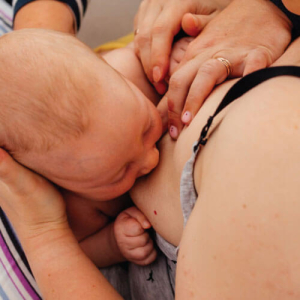
As chiropractors with a special interest in pregnancy, babies and families, we don’t treat breastfeeding conditions themselves. Our role is to assess movement, comfort and musculoskeletal function in both mum and baby.
For mothers, the early weeks after birth place enormous demands on the body. Hours spent feeding, lifting, carrying, rocking and settling a newborn can leave many women feeling tight and uncomfortable through the neck, shoulders, ribs, upper back and pelvis. Many mothers choose chiropractic care to support their nervous system during this season so they can feel more comfortable while caring for their baby.
With babies, our assessment focuses on how they move and whether there are any areas of tension that may be worth considering as part of the bigger picture. If care is appropriate, the techniques used for infants are incredibly gentle and specifically adapted for their developing bodies.
One of the things I value most about working with families is that we never work in isolation.
Some of the best outcomes I’ve seen have come from collaboration between chiropractors, lactation consultants, maternal and child health nurses, GPs, paediatricians and other healthcare professionals. Every practitioner brings a different perspective, and together we can often provide families with far more support than any one profession alone.
If there’s one message I’d love every new mum to take away, it’s this: breastfeeding doesn’t have to be perfect to be successful, and you don’t have to struggle through it alone.
If something doesn’t feel right, trust that instinct. Ask questions. Reach out for support. Sometimes a small change makes a remarkable difference, and sometimes simply having someone reassure you that you’re doing a wonderful job is exactly what you need.
Those early weeks with a new baby pass incredibly quickly. They can be exhausting, emotional, beautiful and overwhelming, often all in the same day. Be kind to yourself as you navigate this season. You and your baby are learning together, and like every new relationship, it takes time.
If you’re wondering whether chiropractic could play a role in supporting your family’s journey, we’d love to have a conversation with you. Whether that means providing care, helping you better understand what’s happening, or connecting you with another trusted healthcare professional, our goal is always the same to help you feel supported, informed and confident as you care for your baby.
Yours in health,
Dr Hayley Maginness | Co-owner & Chiropractor
Dr Hayley has a strong clinical focus on paediatric care and has completed extensive postgraduate study in Chiropractic Paediatrics. She has also completed a Diploma of Breastfeeding Management, giving her additional training to support mothers and babies throughout their breastfeeding journey.
As a mum of three herself, Hayley is passionate about helping families feel informed, supported and confident through the early stages of parenthood.

